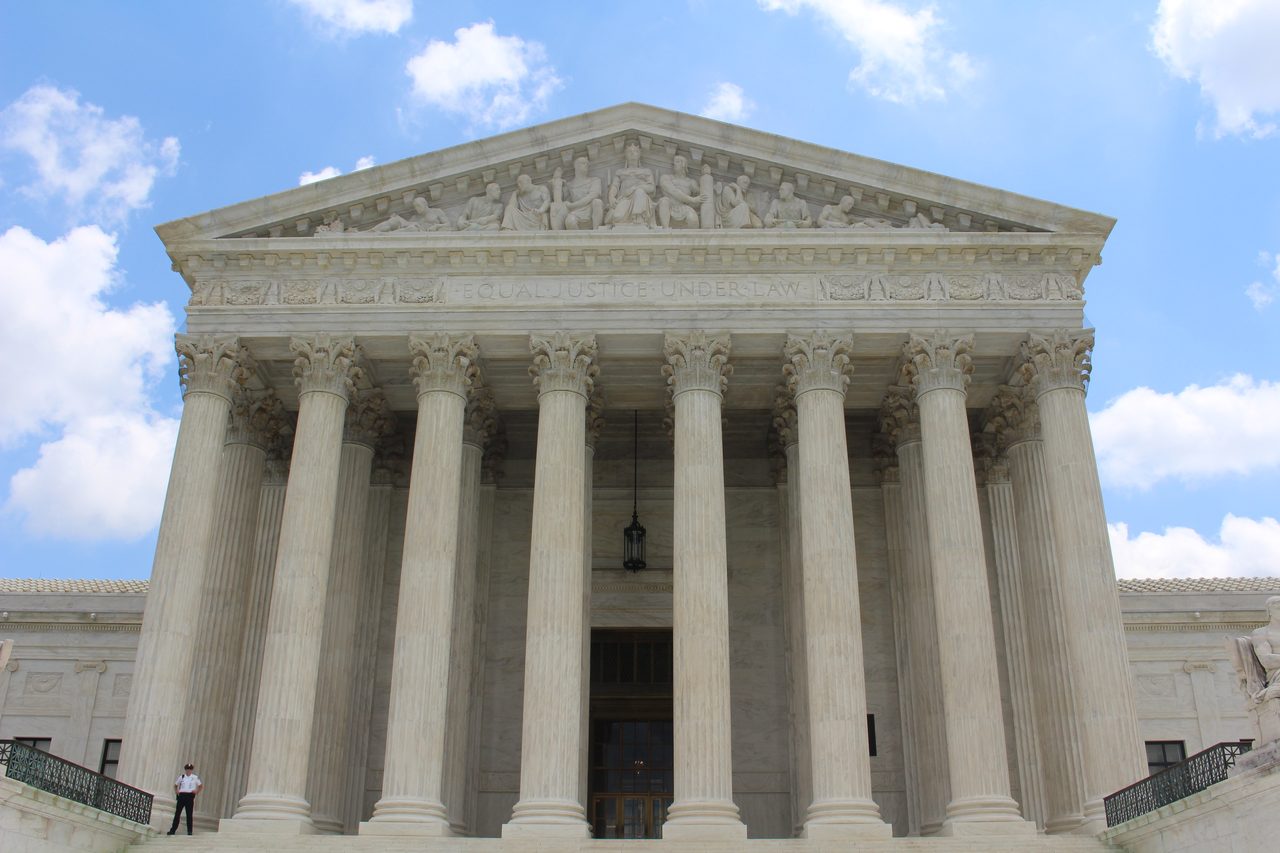
The Supreme Court on Monday declined to hear the Trump administration's appeal over roughly $59 million in federal research grants to University of California researchers — grants the administration cut in 2025 because they touched on diversity, equity and inclusion. The Court gave no explanation, as is customary when it turns a case away, and no justice publicly noted a dissent.
The decision leaves in place a lower-court ruling that ordered the grants — funded through the National Science Foundation and the National Endowment for the Humanities — restored. The 9th Circuit had found the terminations likely violated the First Amendment, calling them viewpoint discrimination, after District Judge Rita Lin ordered the funding reinstated.
The administration argued it has broad discretion to set funding priorities, and warned that letting the ruling stand would “hamstring every future administration.” The researchers' lawyers answered that cancelling already-approved funding over perceived viewpoints is a different thing entirely. Erwin Chemerinsky, representing the researchers, said he was “obviously delighted” the Court denied the appeal.
A notable silence from a friendly majority
The move is striking because the same 6–3 conservative majority has largely backed Trump's use of executive power — yet here, not a single justice publicly dissented from turning the case away. The same Court in August 2025 allowed a separate round of NIH grant cuts to proceed, though on procedural grounds rather than on the First Amendment question.
The fight is not over. The case now returns to the district court, and a separate challenge — over grants cut without explanation — is still pending in another court. Whether Monday's one-line order signals how the justices view the remaining cases, or only the defects of this one, is a question the Court, characteristically, did not answer.
A denial like Monday's is not a ruling on the merits — the Court does not endorse the lower court's reasoning when it turns a case away, and it sets no national precedent. But its practical effect here is decisive: the 9th Circuit's ruling stands, the restoration order remains in force, and the administration must look elsewhere — to the still-pending separate challenge, or to future funding decisions rather than retroactive cancellations — if it wants to press the policy.
The case, Trump v. Thakur, also lands in the middle of a broader pattern. The administration has moved across agencies to cut grants it associates with diversity, equity and inclusion, and universities have challenged the cuts on both procedural and First Amendment grounds. Monday's order suggests the viewpoint-discrimination theory, at least, is one the justices are content to let a lower court develop for now.