In five days, six of the most important systems in American life failed one after another — email, flights, banking, then the country's most secret network. Congress is now asking whether any of it was really a coincidence.
The latest failure changed the conversation. On Tuesday morning, the National Security Agency's classified internal network, NSA Net, went down during scheduled maintenance. Staff at Fort Meade, Maryland, were told to stagger their arrivals. The agency said its 'mission-critical capabilities' were not affected — but the timing is what lawmakers keep coming back to.
A week of failures
The run began on Thursday, November 12, when a Microsoft 365 outage knocked out Outlook and Teams for millions of users; Microsoft later traced it to a software bug dating back to July. On Friday, an FAA telecommunications failure forced a nationwide ground stop of about four and a half hours — the longest halt to American air travel since September 11, 2001 — and about 12,462 flights were canceled.
Monday brought two more: a JPMorgan Chase software bug that delayed transactions, and a United Airlines failure that delayed fewer than 150 flights. Tuesday added Apple, whose internal update disrupted iCloud and the App Store.
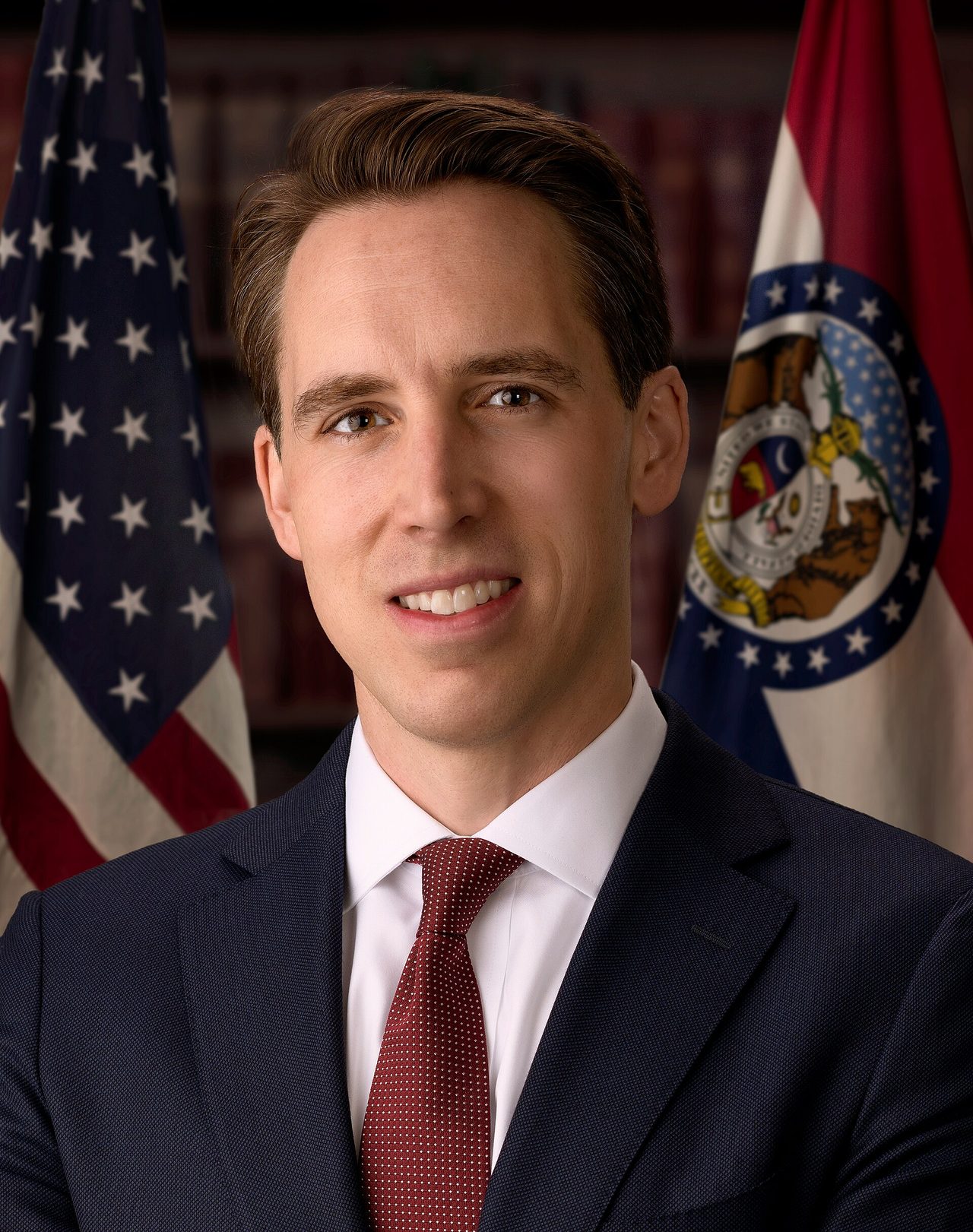
“If this is all a coincidence, it's like the greatest coincidence in the history of the world.”— Sen. Josh Hawley (R-Mo.), calling for a full Senate briefing on the outages
The official answer: bugs, not an attack
Every organization involved has offered a technical explanation. The FAA blames a surge of network traffic during a router installation in Arkansas. Chase blamed a software bug, Apple an internal update, and the NSA described its outage as routine maintenance.
The intelligence leadership has been blunt. Director of National Intelligence Jay Clayton said on CNBC that the outages are 'not a cyberattack, and this is not a coordinated effort by a nation state. We've looked very closely.' National Cyber Director Sean Cairncross agreed, and FAA Administrator Bryan Bedford said artificial intelligence 'definitely' played no role in the air traffic failure.
Congress wants a briefing
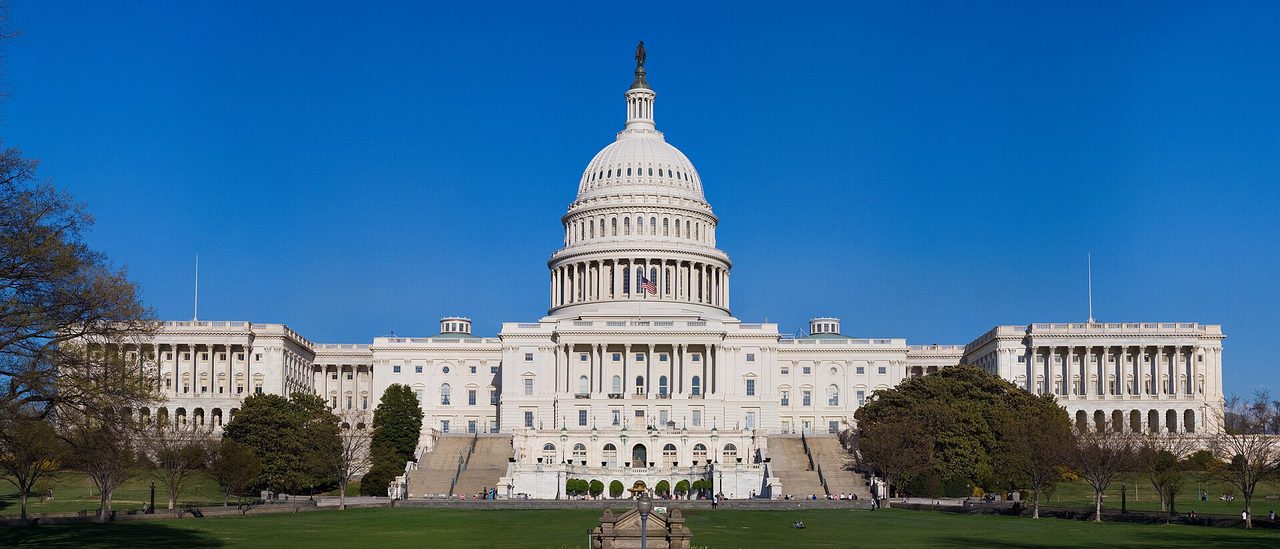
House Minority Leader Hakeem Jeffries called on Tuesday for a briefing of the Gang of Eight — the congressional leaders cleared for the most sensitive intelligence — plus separate briefings for House and Senate members. 'I think it's time for the administration to come up to the Hill and explain themselves,' Jeffries said.
Sen. Josh Hawley, a Missouri Republican, went further, calling for the full Senate to be briefed. Sen. Mark Warner, the top Democrat on the Senate Intelligence Committee, said the evidence pointed to legitimate security updates rather than hostile interference — but warned that rapid patching is pushing digital infrastructure past its limits.
What happens next
No briefing date has been set yet, and no official has said the incidents are connected. The FAA's investigation into the ground stop is still open, and Transportation Secretary Sean Duffy is asking Congress for $50.1 billion to modernize the air traffic system.
What Congress is asking for is not an accusation — it is an accounting. Six systems, five days, and a classified network at the end of the run: the administration says each failure has its own cause. Lawmakers want to hear that case in a classified room before they accept it.