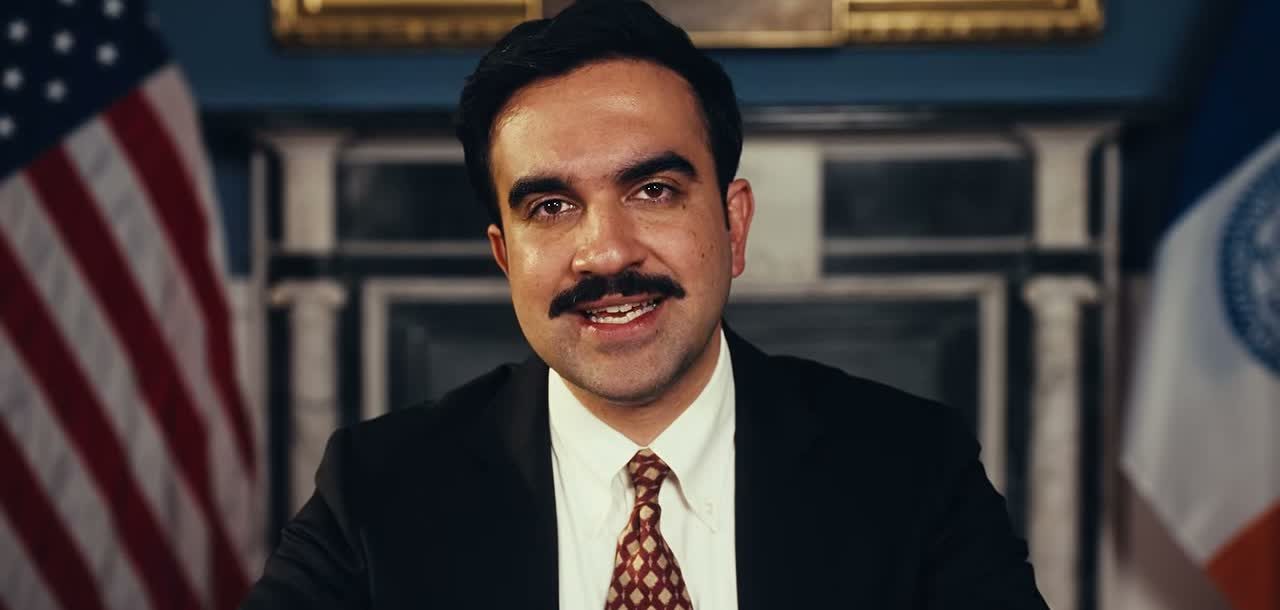
“I am disbanding the SRG.” With those words, Mayor Zohran Mamdani closed the book Monday on the NYPD's Strategic Response Group — the roughly 500-officer unit that has handled both counterterrorism and protest response since 2015.
Mamdani and Police Commissioner Jessica Tisch announced the split in a video message. Counterterrorism moves into the NYPD's Intelligence and Counterterrorism Bureau, while protests will be handled by a new civilian-led Community Dialogue and De-escalation Division, backed by a 30-officer First Amendment Support Team. The order also bans kettling, tear gas and long guns at protests, and bars pepper spray as a crowd-control tool.
“I am disbanding the SRG.”— Mayor Zohran Mamdani
Mamdani called it a promise kept: “During our campaign, I promised New Yorkers that we would disband the Strategic Response Group… and today we are delivering on that promise.”
The union pushes back
Not everyone is cheering. Police union president Patrick Hendry said Mamdani is putting officers' safety at risk to appease his base — “Mayor Mamdani is on their side, not yours.” Tisch pushed back, saying she “would never support changes that diminish the NYPD's ability to protect New Yorkers.”
The administration says the overhaul costs nothing extra and does not change the size of the NYPD workforce. What it changes is who meets a protest first: civilians trained in dialogue, with officers in a supporting role. The question now is what protest policing looks like on the street when civilians take the lead — a test that will arrive with the city's next large demonstration.
The Strategic Response Group was created in 2015 with a dual mandate that critics questioned for years: the same unit that stood ready for counterterrorism operations also policed demonstrations. The restructuring separates those missions for the first time — counterterrorism to the Intelligence and Counterterrorism Bureau, protest response to civilians whose stated tool is dialogue rather than formation tactics.
The specific bans underline the shift. Kettling — the encirclement of crowds — tear gas and long guns are prohibited at protests, and pepper spray may not be used for crowd control. Supporters of the change describe it as aligning practice with the First Amendment activity the new support team is named for; the union describes the same list as tools taken away from officers sent into unpredictable crowds. Both descriptions are now policy questions with a date attached: the next major protest in New York.
Tisch's presence in the announcement mattered. A commissioner who co-signs the order while publicly rejecting the claim that it weakens protection gives the mayor institutional cover — and gives the union a narrower target. The disagreement, for now, is between City Hall and the union, not within the department's command.