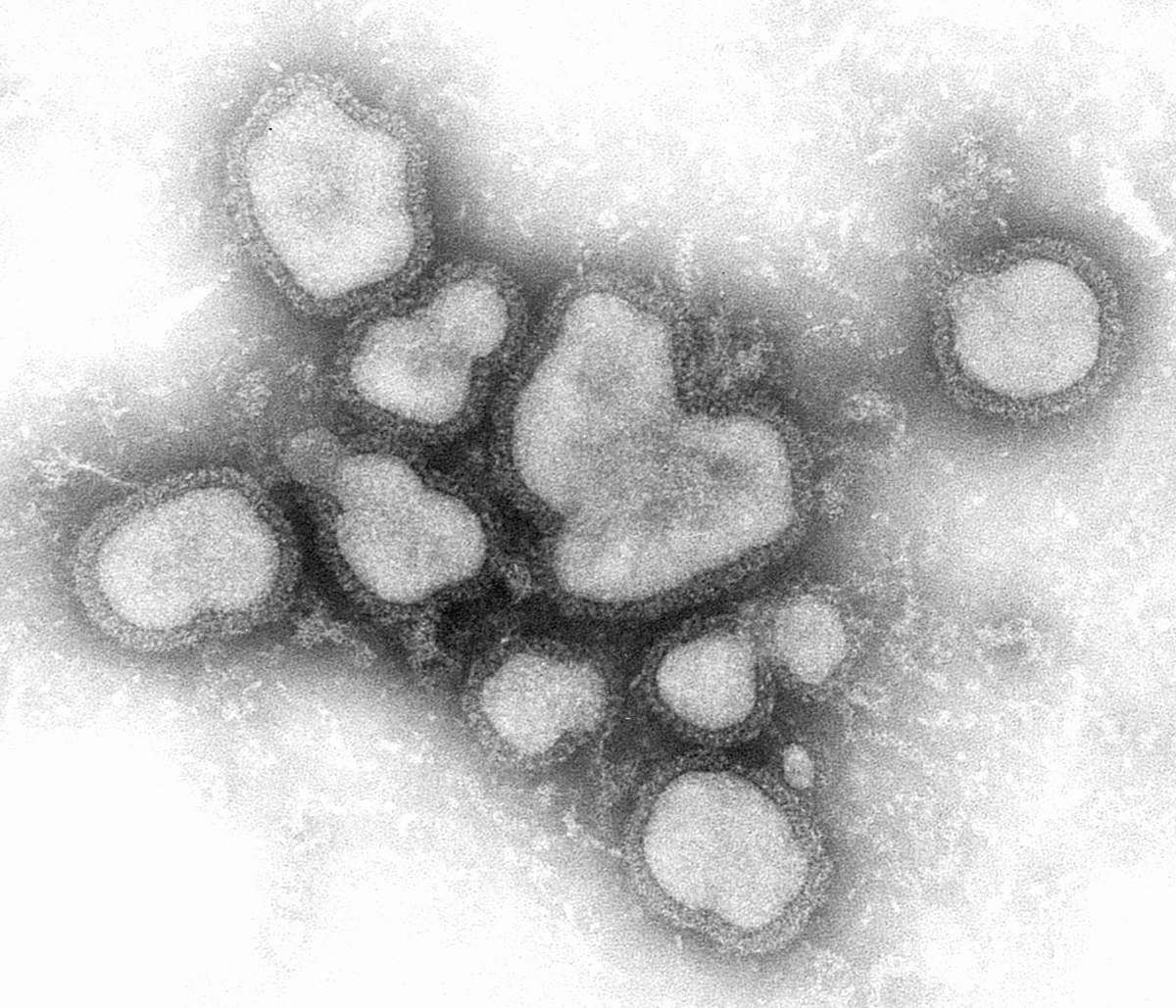
NEW YORK — The U.S. flu season is off to a very early start, and it is quickly intensifying.
The Centers for Disease Control and Prevention reported in its latest weekly update that seven states were reporting high flu activity last week, up from two states the week before. More than 3% of doctors' office visits last week were for flu-like illness, signaling that flu season is truly underway.
The hardest-hit states are California, Louisiana, Oregon, South Carolina, Tennessee, Texas and Washington, according to the CDC. Louisiana is seeing the worst of it so far.
The numbers so far
The CDC estimates that at least 2.6 million illnesses, 36,000 hospitalizations and 2,100 deaths so far this season are tied to flu infections. Five children have died, including two more reported this week.
Outpatient visits for influenza-like illness reached 3.2%, above the 2.9% national baseline, and the CDC described activity as "higher than typically observed at this time of year."
Hospital admissions climbed unusually fast. By mid-October, the flu hospitalization rate had already reached a level not seen that early in the fall in more than 15 years, Dr. Anna Durbin, an infectious-disease specialist at Johns Hopkins University, told The Associated Press. Nearly 5,000 lab-confirmed flu hospitalizations were recorded in the week ending Oct. 17, the highest mid-October rate since the 2010-2011 season.
A changed virus
The dominant virus this season is a mutated form of influenza A H1N1, according to the CDC. CNN reported the strain carries a mutation, known as G155E, that appeared after the strains for this season's vaccine were already chosen.
Even so, the CDC's preliminary severity assessment still rates the season as low across all age groups. The agency stressed that "an earlier increase in activity does not necessarily lead to a higher seasonal peak or greater overall severity."
What Happens Next
The CDC will release its next weekly FluView update on Friday, and Thanksgiving travel is expected to push cases higher. Health officials are watching whether the early surge becomes a severe season — or burns out fast.



Loading comments…